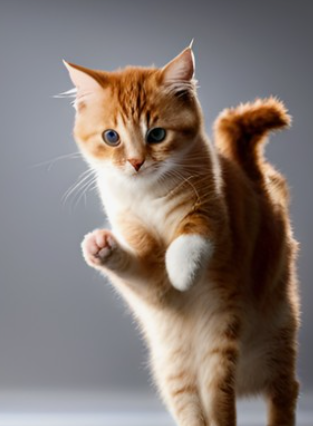
고양이는 우리에게 특별한 동반자로서 많은 기쁨과 행복을 줍니다. 이 글에서는 애완용 고양이에 대해 알아보고, 함께하는 일상에서 고양이와의 특별한 순간들을 살펴보겠습니다. 고양이와 함께하는 특별한 순간들 고양이와 함께하는 일상의 중요성 고양이와 함께하는 일상은 우리에게 큰 행복과 만족을 줍니다. 그들은 우리의 동반자로서 우리에게 큰 애정과 행복을 전달해줍니다. 그들과의 특별한 순간들은 우리의 삶을 보다 더 읽기
스핑크스 고양이를 키우는데 주의해야 할 점과 매력

스핑크스 고양이를 키우는데 주의해야 할 점 스핑크스 고양이는 독특한 외모와 사랑스러운 성격으로 많은 사람들의 관심을 끌고 있습니다. 그러나 스핑크스 고양이를 키우는 데에는 몇 가지 주의할 점이 있습니다. 스핑크스 고양이의 매력 스핑크스 고양이는 특이한 외모와 사랑스러운 성격으로 많은 사람들의 마음을 사로잡고 있습니다. 하지만 그들을 키우기 위해서는 몇 가지 주의할 점이 있으니 더 읽기
브리티시 쇼트헤어 고양이: 사랑스럽고 매력적인 털 친구
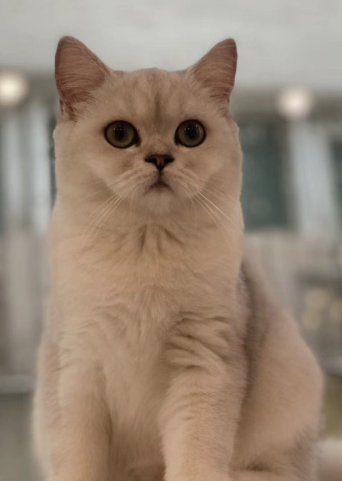
브리티시 쇼트헤어 고양이는 그 특유의 사랑스럽고 매력적인 외모와 온순한 성격으로 많은 사랑을 받고 있는 인기 있는 고양이 종입니다. 오늘은 브리티시 쇼트헤어 고양이에 대해 알아보고자 합니다. 브리티시 쇼트헤어 고양이의 특징 브리티시 쇼트헤어의 돌봄과 관리 브리티시 쇼트헤어 고양이는 사랑스럽고 친근한 성격과 매력적인 외모로 많은 사람들의 마음을 사로잡고 있습니다. 그들과 함께하는 시간은 언제나 더 읽기
세계의 아름다운 산물, 다양한 고양이 종류와 그 특징들
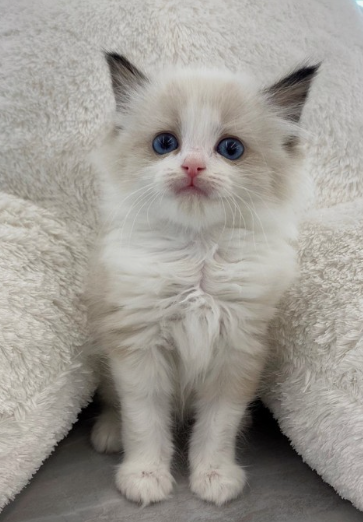
안녕하세요, 고양이 애호가 여러분! 오늘은 세계 각지에서 온 아름다운 고양이들 중 세 가지를 소개하려고 합니다. 각각의 고양이들은 독특한 특징과 매력을 지니고 있어요. 1. 페르시안 고양이 특징 및 포인트: 2. 먼치킨 고양이 (Maine Coon) 특징 및 포인트: 3. 시암 고양이 특징 및 포인트: 이렇게 다양한 특징을 가진 고양이들 중에서 하나를 선택하는 더 읽기
귀여움 폭발! 렉돌고양이의 매력에 빠지다
안녕하세요, 고양이 애호가 여러분! 오늘은 눈에 띄게 사랑스러운 렉돌고양이에 대해 알아보겠습니다. 이 작은 고양이들은 그 특이한 외모와 매력적인 성격으로 전 세계적으로 인기를 끌고 있습니다. 렉돌고양이의 특징 렉돌고양이와 함께하는 일상 마무리 렉돌고양이는 그 특유의 외모와 사랑스러운 성격으로 가족들에게 큰 인기를 얻고 있습니다. 함께 보내는 시간이 행복하고 따뜻한 일상을 만들어줄 것이므로, 이 더 읽기
먼치킨, 살아있는 귀여움의 정수
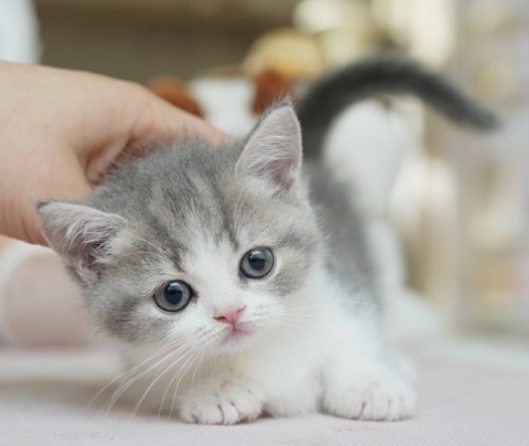
안녕하세요, 고양이 팬 여러분! 오늘은 매력적인 먼치킨 고양이에 대한 이야기를 나눠보려고 합니다. 먼치킨은 그 독특한 외모와 매력적인 성격으로 인해 온라인에서 큰 인기를 얻고 있는 고양이 중 하나입니다. 먼치킨 고양이 소개 먼치킨은 짧은 다리와 작은 몸집으로 유명한 품종인데요. 그 특이한 외모 때문에 ‘먼치킨’이라는 이름이 붙여졌습니다. 사실, 그 동안 우리가 흔히 알고 더 읽기
스코티쉬 스트레이트 고양이의 유래와 설명 글
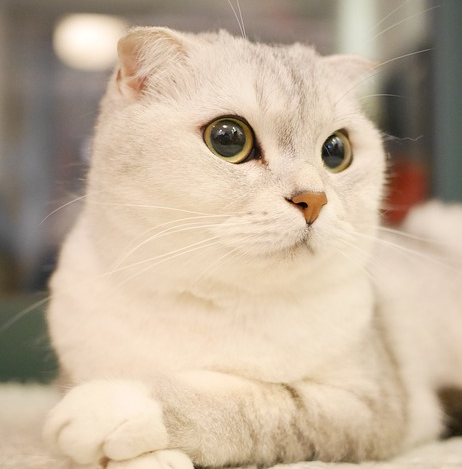
스코티쉬 스트레이트는 스코틀랜드에서 기원한 고양이로, 특이한 귀의 형태를 가지고 있습니다. 이 고양이들은 귀가 뾰족하게 튀어나와 있는 것이 특징이며, 이 특이한 귀 모양은 스코티쉬 스트레이트를 다른 고양이 종류와 구별하는 주된 특징 중 하나입니다. 스코티시 스트레이트의 유래는 20세기 초반으로 거슬러 올라갑니다. 처음에는 스코틀랜드에서 자연적으로 발견된 특이한 귀 모양을 가진 고양이로 알려져 있습니다. 더 읽기
“고양이의 특이한 행동과 그에 따른 의미”
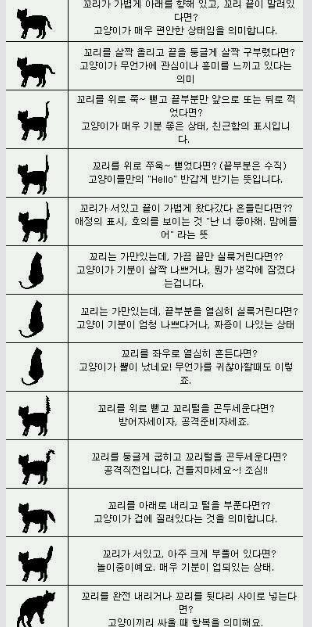
고양이는 독립적이면서도 유쾌하고 예민한 동물로, 그들의 특이한 행동들은 종종 우리에게 의문을 품게 합니다. 이 글에서는 고양이의 특이한 행동들과 그에 따른 의미를 알아보겠습니다. **1. 냥이냥이 거리기 고양이가 주인이나 다른 동물에게 몸을 긁어 대는 행동은 흔히 냥이냥이 거리기로 알려져 있습니다. 이는 고양이가 안녕한 상태이며, 상호 간의 신뢰와 안전한 환경을 나타낼 수 있습니다. 더 읽기
아비시니안 고양이 유래와 설명 글
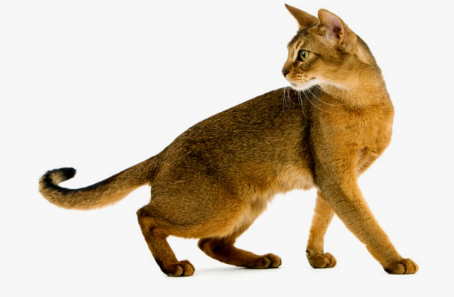
아비시니안 고양이는 매우 아름다우며 활동적이며 지적인 품종으로 알려져 있습니다. 이 고양이는 아프리카 원산지로, 특히 에티오피아(구 아비시니아) 지역에서 기원한 것으로 알려져 있습니다. 아비시니안 고양이의 역사는 오래되었으며, 그 특징적인 외모와 성격으로 많은 고양이 애호가들에게 사랑받고 있습니다. 아비시니안 고양이의 특징적인 외모는 짧은 털에 길게 빛나는 스퍼클(Sparkle)이라 불리는 반짝이는 털이 돋보입니다. 털의 색상은 레드, 더 읽기
‘ 페르시안 ‘ 고양이 유래와 설명

페르시안 고양이: 우아함의 상징페르시안 고양이는 그 품위로 인해 “고양이 중의 귀족”이라 불리며, 아름다운 외모와 우아한 태도로 많은 고양이 애호가들에게 사랑받는 고양이 종 중 하나입니다. 이 고양이는 굵은 털과 아름다운 얼굴, 그리고 차분한 성격으로 잘 알려져 있습니다. 이 글에서는 페르시안 고양이의 유래, 특징, 돌봄, 성격 등을 자세히 알아보겠습니다. 페르시안 고양이의 유래와 더 읽기
‘ 스핑그스 ‘ 고양이 소개

스핑크스 고양이(Sphynx cat)는 매끄러운 피부와 독특한 외모로 알려진 고양이 종으로, 털이 거의 없는 것이 특징입니다. 고양이 애호가들 사이에서는 그 특이한 외모와 활발한 성격으로 유명하며, 독특한 외모와는 달리 따뜻하고 애정 어린 성격으로 주인과의 교감을 즐기는 고양이입니다. 이 글에서는 스핑크스 고양이의 역사, 특징, 돌봄, 성격 등에 대해 자세히 알아보겠습니다. 스핑크스 고양이의 역사와 더 읽기
‘ 러시안 블루 ‘ 고양이를 알아보자
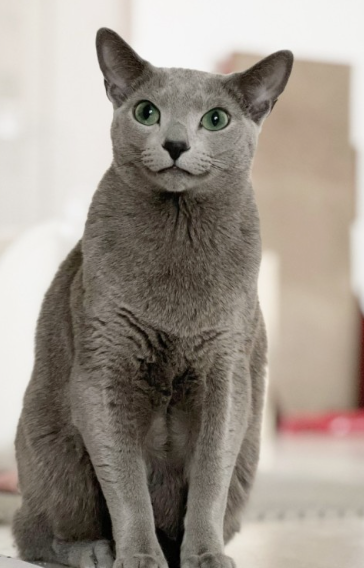
러시안 블루(Russian Blue)는 우아하고 아름다운 외모와 미묘한 푸른 빛깔의 털로 유명한 고양이 종류이다. 그들은 차분한 성격, 매끄러운 동작, 높은 지능 등으로 애호가들에게 사랑받고 있으며, 특유의 푸른 색상과 우아한 품위로 많은 이들에게 눈에 띄는 매력을 선사하고 있다. 러시안 블루의 역사와 유래러시안 블루의 역사는 매우 오래되었으며, 러시아에서 기원한 것으로 알려져 있다. 이들은 더 읽기